Mastering Teriyaki Chicken Stir Fry: The Ultimate Guide to Tender Chicken & Crisp Veggies
There's nothing quite like the vibrant flavors and satisfying textures of a perfectly executed
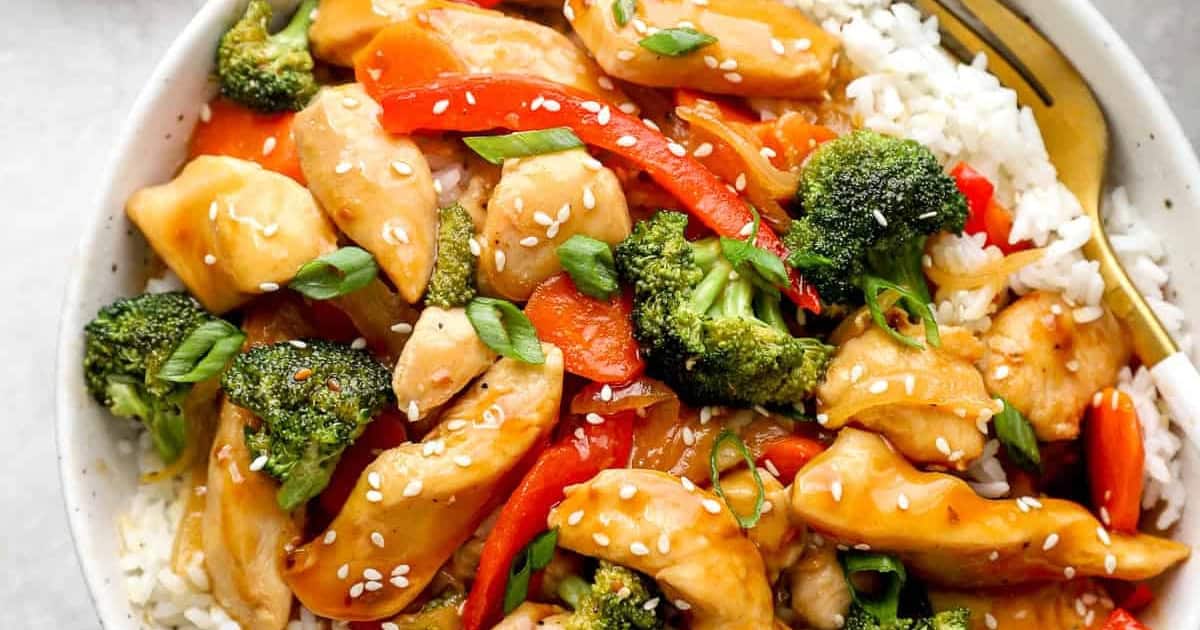
homemade teriyaki chicken stir fry. It’s a culinary dance where tender pieces of chicken meet crisp-tender vegetables, all coated in a rich, sweet, and sticky homemade teriyaki sauce that far surpasses any takeout option. This isn't just a meal; it's a testament to how quick, easy, and incredibly delicious weeknight cooking can be, transforming simple ingredients into a dish that consistently earns rave reviews. Forget the notion that you need fancy equipment or advanced skills; with a few key techniques, you can master this iconic dish in your own kitchen, delivering a truly memorable
sweet & sticky teriyaki chicken stir fry every time.
Many home cooks find themselves frustrated with stir fries that end up watery, with rubbery chicken or limp vegetables. But fear not! The secrets to achieving that ideal balance of tender chicken and crisp, vibrant vegetables are surprisingly simple and entirely within your reach. We’ll delve into the crucial steps that elevate a good teriyaki chicken stir fry to an outstanding one, ensuring every bite is a burst of flavor and perfect texture.
The Secret to a Superior Homemade Teriyaki Sauce
The heart of any exceptional teriyaki chicken stir fry lies in its sauce. While store-bought versions can be convenient, crafting your own from scratch allows for unparalleled depth of flavor, perfect stickiness, and a healthier profile, free from unnecessary additives. This homemade "liquid gold" is what truly sets your dish apart.
The Magic of Mirin (and its substitutes)
A foundational ingredient in authentic teriyaki sauce is mirin, a sweet Japanese rice wine. Similar to sake but with a higher sugar content and lower alcohol percentage, mirin contributes a distinctive sweetness, a subtle tang, and a beautiful glossiness to the sauce. It's crucial for that signature teriyaki flavor profile.
Most well-stocked grocery stores carry mirin, often labeled as "mirin-style sweet cooking seasoning" or "Aji-mirin." Brands like Kikkoman are widely available and perfectly suitable for this recipe, offering a convenient and effective option. For those seeking a more traditional flavor, an Asian specialty market might offer higher-quality, more authentic mirin.
If mirin isn't available, don't despair! You can use a dry sherry or a sweet Marsala wine as a substitute. While they won't provide the exact same nuance, they will contribute a similar alcoholic sweetness and depth that works well in a pinch. However, for the truest teriyaki experience, mirin is highly recommended.
Balancing Sweet, Savory, and Sticky
Beyond mirin, a well-balanced teriyaki sauce typically combines soy sauce (for umami and saltiness), a touch of sugar (to enhance sweetness and aid caramelization), minced garlic and ginger (for aromatic depth), and a thickener like cornstarch.
The cornstarch plays a dual role: it helps tenderize the chicken when used as a coating, and it's essential for achieving that desirable glossy, thick, and sticky consistency in the sauce. When whisked into the liquid ingredients and heated, it transforms the sauce into a rich glaze that beautifully coats every piece of chicken and vegetable. While many readers find the standard sauce recipe perfect, some prefer to double it for an extra luscious coating, which is a great option if you love a saucier dish.
Mastering the Stir-Fry Technique: Tender Chicken Every Time
The difference between rubbery, overcooked chicken and succulent, tender pieces in your stir fry often comes down to a few critical techniques.
Prepping for Success: The Mise en Place Mandate
This is perhaps the most important rule for any stir fry:
prep everything beforehand. Stir-frying is a rapid cooking method that demands your full attention and speed once ingredients hit the pan. Unlike other cooking styles where you might chop as you go, a stir fry requires all your chicken cut, vegetables chopped, and sauce whisked and ready to pour before you even turn on the heat. This "mise en place" (everything in its place) approach ensures a smooth, stress-free cooking process and prevents anything from burning while you’re scrambling for the next ingredient.
The Chicken Prep: Coating for Tenderness
Start by cutting your chicken (boneless, skinless chicken breast or thighs work best) into uniform, bite-sized pieces. This ensures even cooking. Season the chicken with a pinch of salt and pepper. The real game-changer for tender chicken, however, is the addition of cornstarch. Lightly tossing the seasoned chicken pieces with cornstarch creates a thin coating that protects the meat from the harsh heat, locks in moisture, and contributes to a wonderfully tender interior. It also helps the sauce adhere beautifully later on.
Batch Cooking for the Perfect Sear
One of the biggest culprits of watery, steamed chicken instead of beautifully seared pieces is overcrowding the pan. To achieve that desirable golden-brown crust and prevent the chicken from releasing too much moisture (which lowers the pan's temperature and steams the food), you must cook the chicken in batches.
Heat your skillet or wok to a fairly high heat with a little oil until it's very hot and shimmering. Add only enough chicken to form a single layer, leaving space between each piece. Let it sear undisturbed for a few minutes on each side until cooked through and nicely browned. Don't be afraid of the high heat; it’s what creates that delicious crust. If your pan starts to smoke excessively or things threaten to burn, you can slightly reduce the heat, but generally, maintain a strong sizzle. Transfer the cooked chicken to a plate and repeat with the remaining batches. The second batch might cook slightly faster as the pan will be hotter, so pay close attention.
Achieving Perfectly Crisp Vegetables (Not Soggy!)
Just as important as tender chicken are vegetables that retain their vibrant color and a satisfying crunch. Soggy vegetables can ruin the entire dish.
Selecting and Preparing Your Veggies
Classic teriyaki chicken stir fries often feature broccoli florets, sliced bell peppers (red, yellow, or orange for color), and sliced onions. The key here, similar to the chicken, is to cut all your vegetables into roughly uniform sizes. This ensures they cook evenly and reach that "tender-crisp" stage at the same time. Feel free to incorporate other favorites like snow peas, carrots, mushrooms, or green beans.
The Right Cooking Order and Heat
Once the chicken is cooked and removed from the pan, you might need to add a touch more oil. Then, it's time for the vegetables. Always start with the harder vegetables that take longer to cook, such as onions and broccoli. Add them to the hot pan first and stir-fry for a minute or two before introducing quicker-cooking vegetables like bell peppers. This staggered approach allows all vegetables to finish cooking around the same time.
Maintain a fairly high heat throughout the vegetable cooking process. This high heat is crucial for quickly cooking the vegetables while retaining their snap and vibrant color, rather than letting them stew and become limp. Stir-fry constantly to ensure even cooking and prevent burning.
The "Tender-Crisp" Ideal
Your goal for vegetables in a stir fry is "tender-crisp." This means they should be cooked through enough to be tender when bitten but still have a slight resistance or crunch. They shouldn't be raw, but they definitely shouldn't be mushy. This usually takes just a few minutes of vigorous stir-frying.
Bringing It All Together: From Pan to Plate
With your chicken seared and vegetables perfectly tender-crisp, the final assembly is quick and exciting.
The Final Toss and Thicken
Return all the cooked chicken to the pan with the vegetables. Give it a quick toss to combine. Now, it's time for the star sauce. Pour your whisked teriyaki sauce over the chicken and vegetables. As the sauce hits the hot pan, it will quickly begin to bubble and thicken, thanks to the cornstarch. Toss everything vigorously to ensure all ingredients are thoroughly coated in the rich, glossy sauce. Let it bubble for under a minute until the sauce is thick and sticky, then remove from heat immediately to prevent overcooking the chicken or vegetables.
Elevating Your Teriyaki Stir Fry
This
sweet & sticky teriyaki chicken stir fry is incredibly versatile in how you serve it. While traditionally delicious over steamed white rice, you can also serve it over brown rice, quinoa, or noodles for a different experience. To add extra layers of texture and flavor, consider topping your finished dish with:
*
Fresh bean sprouts: For an added refreshing crunch.
*
Toasted sesame seeds: For a nutty aroma and visual appeal.
*
Sliced green onions: For a mild oniony bite and fresh garnish.
*
Cashews or water chestnuts: Popular reader additions for extra crunch and texture contrast.
Tips for Leftovers and Meal Prep
One of the great things about a teriyaki chicken stir fry is that it makes excellent leftovers, perfect for quick lunches or dinners throughout the week.
Store any leftover stir fry in an airtight container in the refrigerator for 3-4 days. To reheat, gently warm it in a saucepan over low heat on the stovetop until heated through. Be careful not to blast it with high heat, which can dry out the chicken and make the veggies too soft.
While you *can* freeze stir fry, be aware that the texture of the vegetables, particularly the broccoli and bell peppers, will soften considerably upon thawing and reheating. If texture changes don't bother you, it will still taste delicious. For optimal texture, it’s best enjoyed fresh or from the fridge.
Conclusion
Mastering the art of
homemade teriyaki chicken stir fry is a truly rewarding experience. By understanding the key principles – from crafting a superior sauce with mirin to precise chicken preparation with cornstarch, and the critical role of high heat and batch cooking for both proteins and vegetables – you unlock the secrets to a truly exceptional dish. This isn't just about cooking; it's about transforming simple ingredients into a vibrant, flavorful, and satisfying meal that rivals any takeout, proving that delicious, wholesome food can be on your table in under 35 minutes. So grab your skillet, embrace the heat, and get ready to enjoy the best teriyaki chicken stir fry you've ever made!