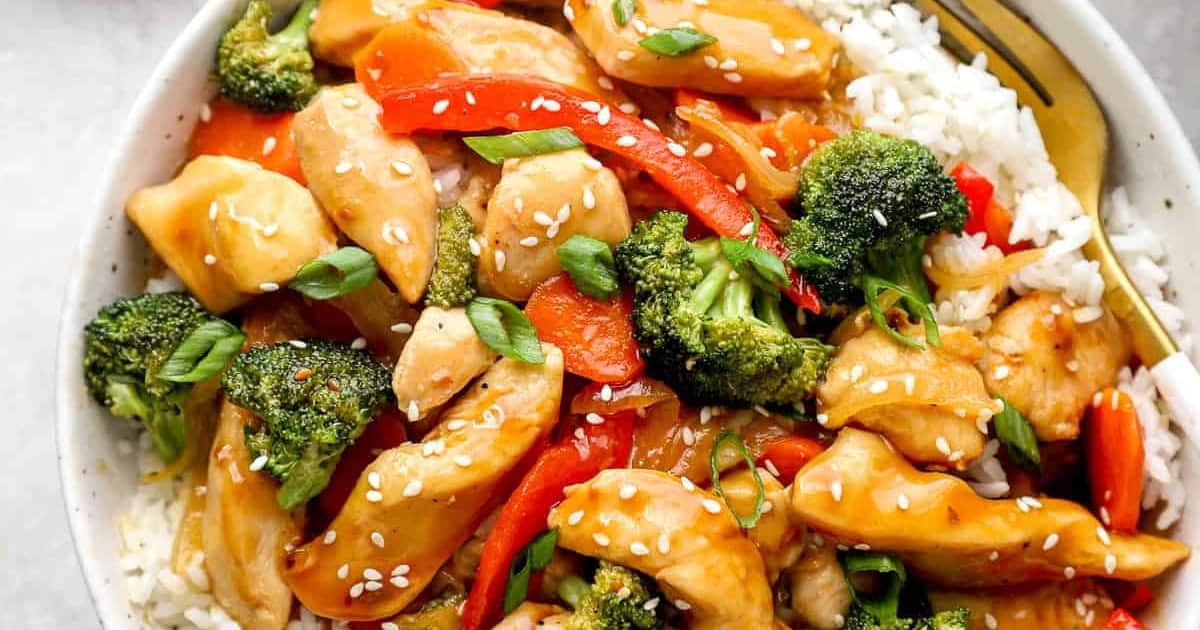
Craving a vibrant, flavorful meal that’s both satisfying and quicker than waiting for delivery? Look no further than a homemade teriyaki chicken stir fry. This isn't just another weeknight dinner; it's an experience that rivals, and often surpasses, your favorite takeout joint. With tender pieces of chicken, crisp-tender vegetables, and a signature sweet and sticky sauce, preparing this dish at home offers unparalleled freshness, control over ingredients, and the immense satisfaction of creating something truly delicious from scratch.
Imagine succulent chicken pieces, perfectly seared and coated in a glistening, umami-rich sauce, mingled with brightly colored bell peppers, hearty broccoli florets, and sweet onions. This Sweet & Sticky Teriyaki Chicken Stir Fry: Your Best Skillet Recipe transforms humble ingredients into a spectacular meal, all within the comfort of your own kitchen. And the best part? You don’t need a fancy wok or specialized equipment – a trusty skillet will do the trick, bringing this delightful dish to your table in around 35 minutes, start to finish.
The Heart of the Dish: Crafting the Perfect Homemade Teriyaki Sauce
The magic of any great teriyaki chicken stir fry lies undeniably in its sauce. While store-bought versions can be convenient, a homemade teriyaki sauce elevates the dish to a whole new level, offering a depth of flavor that's both sweet and savory, with that irresistible sticky glaze. Our recipe delivers a well-balanced sauce that coats every ingredient beautifully without being overwhelming.
Key Ingredients for Authentic Flavor:
- Mirin: This sweet Japanese rice wine is a non-negotiable for authentic teriyaki flavor. Similar to sake but with a higher sugar content, mirin contributes a unique sweetness and glossy sheen to the sauce. Most grocery stores carry "mirin-style sweet cooking seasoning" or "Aji-mirin," which works perfectly. For a more traditional option, check an Asian specialty market. If mirin is unavailable, dry sherry or sweet marsala wine can be acceptable substitutes, though the flavor profile will shift slightly.
- Soy Sauce: The savory backbone of teriyaki. Opt for a good quality soy sauce, or a low-sodium version if you're mindful of salt intake.
- Ginger and Garlic: Freshly grated ginger and minced garlic add aromatic complexity and a subtle pungency that brightens the sauce.
- Brown Sugar (or Honey/Maple Syrup): Provides the necessary sweetness and helps achieve that desirable caramelization and stickiness.
- Cornstarch: Essential for thickening the sauce, giving it that characteristic glossy, clingy consistency.
When preparing the sauce, simply whisk all the ingredients together in a bowl until smooth. It’s always a good idea to taste a tiny bit before adding it to the pan and adjust if needed – perhaps a touch more sweetness, or a dash more savory soy sauce to suit your palate. While the recipe makes enough to generously coat the chicken and vegetables, many enthusiasts find themselves doubling the sauce quantity, especially if they love extra to mix with their rice or noodles!
Mastering the Stir Fry Technique for Optimal Texture
Achieving that perfect balance of tender chicken and crisp-tender vegetables in your teriyaki chicken stir fry isn't just about the ingredients; it's about the technique. Even without a professional wok, you can get fantastic results with a regular large skillet or a cast-iron pan by following a few crucial rules. These tips are key to Mastering Teriyaki Chicken Stir Fry: Tips for Tender Chicken & Crisp Veggies.
Prep is Paramount (Mise en Place):
Unlike some dishes where you can chop as you go, stir-frying demands that all your ingredients be prepped and ready before you even turn on the stove. This means:
- Cutting chicken into uniform, bite-sized pieces and seasoning it.
- Chopping all vegetables (broccoli florets, sliced bell peppers, diced onions) to similar sizes for even cooking.
- Whisking the sauce ingredients in a separate bowl.
- Having your cornstarch slurry (cornstarch mixed with a bit of water) ready.
Once the cooking process begins, it moves incredibly fast, so having everything within arm's reach is critical for success.
Heat Control and Avoiding Overcrowding:
These two principles are the bedrock of a successful stir fry:
- High Heat: A stir fry needs intense heat to achieve that desirable sear on the chicken and crispness on the vegetables. Start with your skillet very hot. While it's okay to slightly reduce the heat if things get too smoky or begin to burn, resist the urge to turn it down too much.
- Cook in Batches: This is arguably the most important tip. Overcrowding the pan, especially with chicken, causes the temperature to drop drastically. Instead of searing, your ingredients will steam, leading to tough chicken and watery, mushy vegetables. Cook the chicken in two or even three batches, transferring each cooked batch to a plate before starting the next. Do the same with the vegetables if your pan isn't large enough to give them space. This ensures beautiful browning and retains that coveted tender-crisp texture.
The Cooking Process, Step-by-Step:
- Heat oil in your skillet until it’s very hot.
- Working in batches, add the cornstarch-tossed chicken and cook until beautifully browned and cooked through. Transfer to a clean plate.
- If needed, add a little more oil to the pan. Add the onions, cooking for about a minute to soften slightly.
- Introduce the broccoli and bell peppers, continuing to cook until they reach a vibrant, tender-crisp stage.
- Return the cooked chicken to the pan.
- Pour in your whisked homemade teriyaki sauce. Toss everything gently to coat, allowing the sauce to bubble and thicken for about a minute.
- Serve immediately!
Customizing Your Homemade Teriyaki Chicken Stir Fry
While the classic combination of chicken, broccoli, bell peppers, and onions is a winning formula, one of the joys of cooking at home is the freedom to customize. Your homemade teriyaki chicken stir fry is a canvas for culinary creativity.
Vegetable Variations:
Feel free to experiment with other stir-fry friendly vegetables. Carrots, snap peas, mushrooms, baby corn, bok choy, or even sliced zucchini can be fantastic additions. Remember to cut them to a similar size for even cooking, and consider their cooking times – denser vegetables like carrots might need a minute or two head start.
Flavor & Texture Boosters:
- Crunch: Add a handful of toasted cashews or water chestnuts (as suggested by many readers!) during the final minute of cooking for an irresistible textural contrast. Toasted sesame seeds, sprinkled just before serving, also provide a lovely crunch and nutty aroma.
- Heat: For those who love a little kick, a pinch of red pepper flakes added with the garlic and ginger, or a drizzle of sriracha at the table, can elevate the flavor profile.
- Freshness: Fresh bean sprouts or chopped green onions make for excellent garnishes, adding a burst of freshness and color.
Serving Suggestions:
A classic pairing for teriyaki chicken stir fry is fluffy white or brown rice, which perfectly soaks up that delicious sauce. However, don't limit yourself! Try serving it over:
- Noodles: Udon, ramen, or thin rice noodles make for a hearty and satisfying meal.
- Quinoa or Cauliflower Rice: Great options for those looking for a healthier or lower-carb alternative.
Storing and Reheating Your Teriyaki Delight
One of the many benefits of a homemade meal is the potential for delicious leftovers. Your teriyaki chicken stir fry stores well, making it an excellent candidate for meal prep or simply enjoying a second serving the next day.
Store any leftover stir fry in an airtight container in the refrigerator for 3-4 days. To reheat, simply transfer it to a saucepan over low heat on the stovetop, stirring occasionally until warmed through. You can also microwave it, but stovetop reheating often helps maintain the texture better, especially for the chicken and vegetables.
While technically you can freeze teriyaki chicken stir fry, be aware that the texture of the vegetables, particularly the broccoli and bell peppers, may soften significantly upon thawing due to water expansion during freezing. The sauce might also thin out a bit. If you don't mind these slight textural changes, the flavor will still be delicious. For best results, it's generally recommended to enjoy this dish fresh or within a few days from the fridge.
Embarking on the journey of making your own homemade teriyaki chicken stir fry is incredibly rewarding. Not only will you delight in the vibrant flavors and textures, but you'll also gain the satisfaction of knowing exactly what went into your meal, making it a healthier, more wholesome choice than any takeout option. So grab your skillet, gather your ingredients, and prepare to create a weeknight wonder that your taste buds will thank you for!
